When an appliance quits, the first question most people ask is whether it is worth fixing or whether they should just buy a new one. It is a fair question, and the answer is not always obvious. A repair might cost a fraction of a replacement, or it might be money spent on a unit that is already near the end of its life.
This guide walks through the simple rules professionals use to make that call, along with the average costs and lifespans that should factor into your decision. AllStar Appliance Repair has served Baltimore and Baltimore County for over 20 years, and the framework below is the same one our technicians use in the field.
Key Takeaways
- Use the 50% rule. If a repair costs less than half the price of a comparable new unit, repairing is usually the better value.
- Factor in the appliance’s age. Most major appliances last 10 to 15 years. A repair makes more sense early in that window and less sense near the end of it.
- A professional diagnosis comes first. You cannot weigh repair against replacement until you know what is actually wrong and what the fix costs.
- High-end brands are often worth repairing even when they are older, because replacement costs are much higher.
- Repeat breakdowns are a signal. If the same appliance has needed multiple repairs in a short span, replacement often costs less over time.
The 50% Rule: The Simplest Way to Decide
The most widely used guideline is the 50% rule. If the cost of the repair is less than half the cost of buying a comparable new appliance, the repair is generally worth it. If the repair approaches or exceeds half the replacement price, replacement starts to make more financial sense.
For example, if a new dishwasher in your price range runs about $700 and the repair quote comes in at $200, repairing is the clear winner. If that same dishwasher needs a $450 control board and pump job, you are past the halfway mark and a new unit may be the smarter buy.
The 50% rule is a starting point, not the whole answer. Age and repair history matter too, which is where the next two sections come in.
How Much Life Is Left in the Appliance?
Age is the second half of the decision. A repair on a five-year-old refrigerator is an investment in years of future use. The same repair on a fourteen-year-old unit may only buy you a little more time before something else fails.
Here are the commonly cited average lifespans for major home appliances. Actual life varies with usage, maintenance, and build quality.
| Appliance | Typical lifespan |
|---|---|
| Refrigerator | 10 to 13 years |
| Washing machine | 10 to 13 years |
| Dryer | 10 to 13 years |
| Dishwasher | 9 to 12 years |
| Oven / range | 13 to 15 years |
| Freezer | 10 to 20 years |
A good rule of thumb: if the appliance is within the first half of its expected life, lean toward repair. If it is in the last quarter and the repair is not minor, replacement deserves serious consideration.
Repair Cost vs. Replacement Cost
Knowing the general numbers helps you sanity-check any quote you receive. The ranges below reflect typical U.S. repair and replacement costs in 2026. Your actual repair price depends on the specific part, the brand, and the labor involved, which is why an in-home diagnosis is the only way to get a firm figure.
| Appliance | Typical repair range | Typical replacement cost |
|---|---|---|
| Refrigerator | $150 to $600 (minor), $700 to $1,250 (compressor) | $600 to $2,300 |
| Washing machine | $150 to $400 | $600 to $1,800 |
| Dryer | $100 to $400 | $800 to $1,200 |
| Dishwasher | $100 to $400 | $400 to $1,000 |
| Oven / range | $150 to $450 | $500 to $2,000 |
Run these against the 50% rule and the age of your unit, and the right choice usually becomes clear.
When Repair Almost Always Wins
Some situations point strongly toward fixing rather than replacing:
- The problem is a common, low-cost part. A worn dryer belt, a refrigerator door gasket, an oven igniter, or a dishwasher drain pump are often affordable fixes that restore full function.
- The appliance is a high-end or built-in model. Premium brands like Sub-Zero, Viking, and Wolf cost far more to replace than to repair, so fixing them is usually the better value even at higher repair prices. AllStar services these and many other major appliance brands.
- The unit is still relatively young. A quality appliance in the first half of its life span is generally worth maintaining.
When Replacement Makes More Sense
Other signs point toward starting fresh:
- Repeat failures. If the same appliance has broken down several times in a year or two, the repair costs add up and a replacement often wins out.
- Obsolete or unavailable parts. Older or discontinued models can be difficult to source parts for, which drives up both cost and downtime.
- The repair exceeds the 50% threshold on an appliance that is already past the midpoint of its life.
- Rising energy or water bills. Much older units can be far less efficient than current models, which offsets some of the replacement cost over time.
A Quick Guide by Appliance
Refrigerators and freezers. Minor issues like a faulty fan motor or door seal are usually worth repairing. A failed compressor or sealed-system problem on an older fridge is where the repair-versus-replace conversation gets real. See our refrigerator repair and freezer and ice maker repair services.
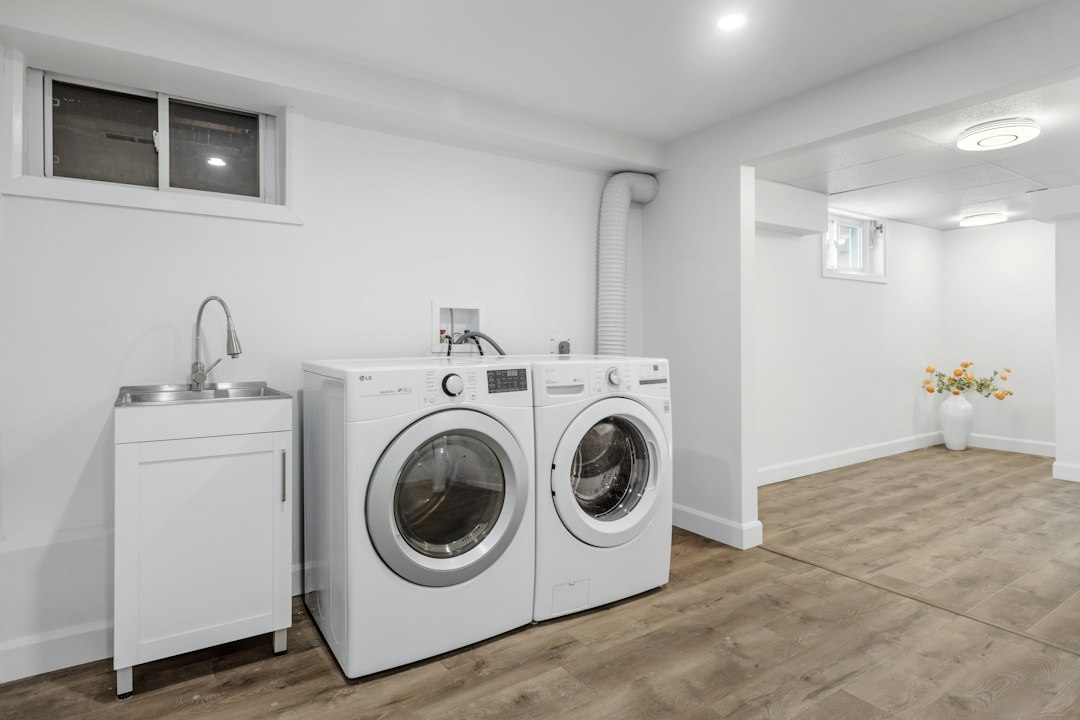
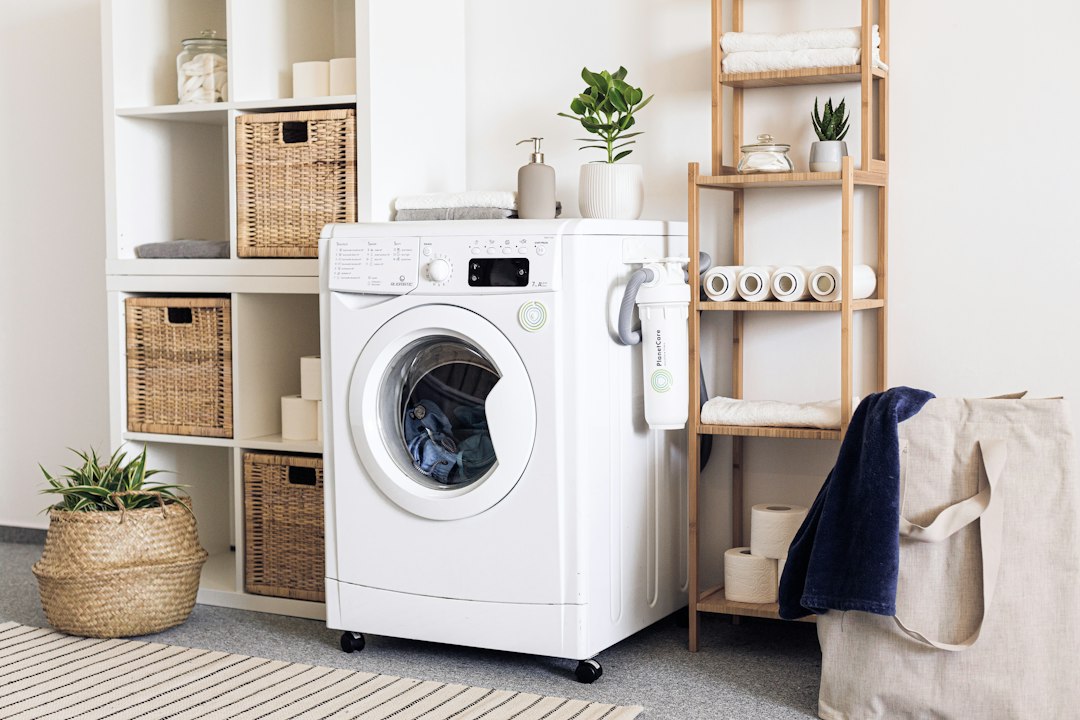
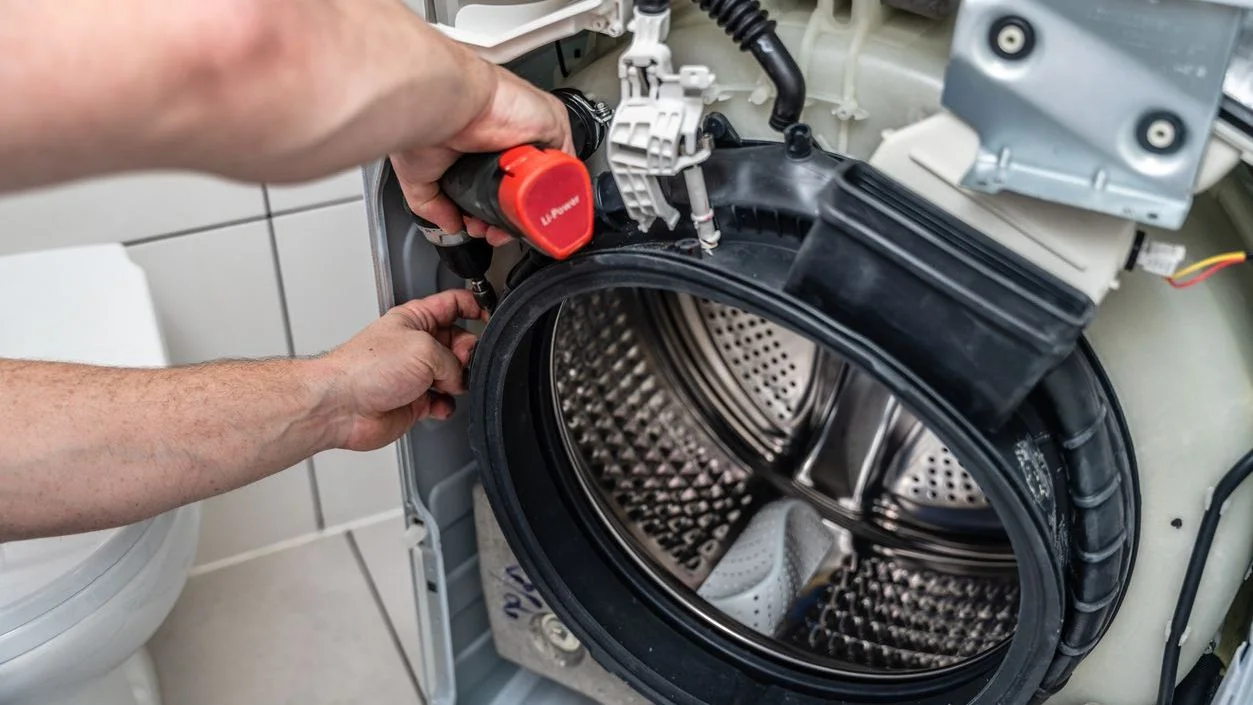
Washers and dryers. Belts, switches, and valves are common, affordable fixes. Motor, drum, or transmission work on an older machine is where replacement may make more sense. Learn more about washer and dryer repair.
Ovens and ranges. Elements, igniters, and sensors are frequently worth repairing given how long ovens tend to last. Explore our oven and stove repair service.
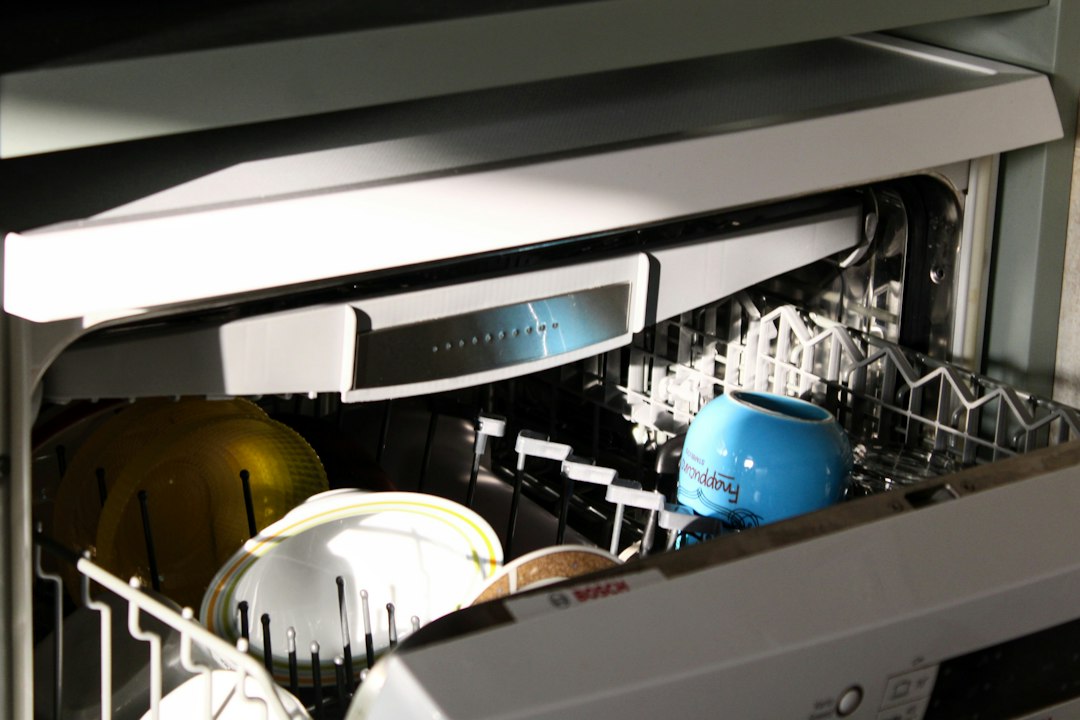
Dishwashers. Drain pumps, door latches, and spray arms are typical repairs. A failed control board on an older unit is where the 50% rule earns its keep. See dishwasher repair.
You can view the full range of what we handle on our appliance repair services page.
Start With a Diagnosis
You cannot make a smart repair-or-replace decision without knowing what is wrong and what the fix will cost. That is what an in-home diagnosis provides. An experienced technician can identify the failed part, quote the repair, and give you an honest read on whether the appliance is worth keeping.
AllStar offers same-day, in-home service across Baltimore and the surrounding area, including Towson, Timonium, Parkville, and more. See all the areas we serve.
Frequently Asked Questions
What is the 50% rule for appliance repair? The 50% rule says that if a repair costs less than half the price of a comparable new appliance, repairing is usually the better value. If the repair costs more than half, replacement often makes more financial sense.
At what age should I replace an appliance instead of repairing it? Most major appliances last 10 to 15 years. A repair generally makes sense in the first half of that lifespan. Once an appliance is in the last quarter of its expected life and needs a significant repair, replacement is worth strong consideration.
Is it worth repairing a high-end appliance like Sub-Zero or Viking? Usually yes. Premium and built-in appliances cost far more to replace than standard models, so repairing them is often the better value even when the repair itself is more expensive.
How do I know what a repair will actually cost? The only reliable way is an in-home diagnosis. A technician identifies the failed part and provides a firm quote, which you can then weigh against the cost of a new unit.
Does AllStar service my area? AllStar serves Baltimore and Baltimore County, including Towson, Timonium, Parkville, Phoenix, and Roland Park. Visit our service areas page to confirm coverage.
Get an Honest Assessment Today
If an appliance in your home is acting up, the fastest way to know whether to repair or replace it is to have it looked at by a professional. AllStar Appliance Repair provides same-day, in-home diagnosis and repair across Baltimore and Baltimore County.
Contact AllStar Appliance Repair to schedule your service, or learn more about our team and our 20-plus years of local experience.