You open the dishwasher after a full cycle and find a pool of dirty water sitting in the bottom. It is frustrating, and it usually happens at the worst possible time. The good news is that a dishwasher that won’t drain is one of the most common appliance problems we see, and many of the causes are simple enough to check yourself in a few minutes.
This guide walks through why a dishwasher stops draining, what you can safely check on your own, and when it is time to call a professional. AllStar Appliance Repair has been fixing dishwashers for homeowners across Baltimore County and Baltimore City for more than 20 years, so these are the same things our technicians look at first.
Key Takeaways
- A little water can be normal. Many dishwashers leave a small amount of water in the sump to keep seals from drying out. A pool that covers the tub floor is not normal.
- A clogged filter is the most common cause. Food debris builds up at the bottom of the tub and slows or stops drainage.
- Check the sink side, too. A clogged garbage disposal, a kinked drain hose, or a blocked air gap can all keep water in the dishwasher.
- Humming with no draining often points to the drain pump. A failed or jammed pump is a repair best left to a technician.
- Don’t wait too long. Standing water leads to odors, and a slow leak can damage cabinets and flooring.
Is Some Water in the Bottom of the Dishwasher Normal?
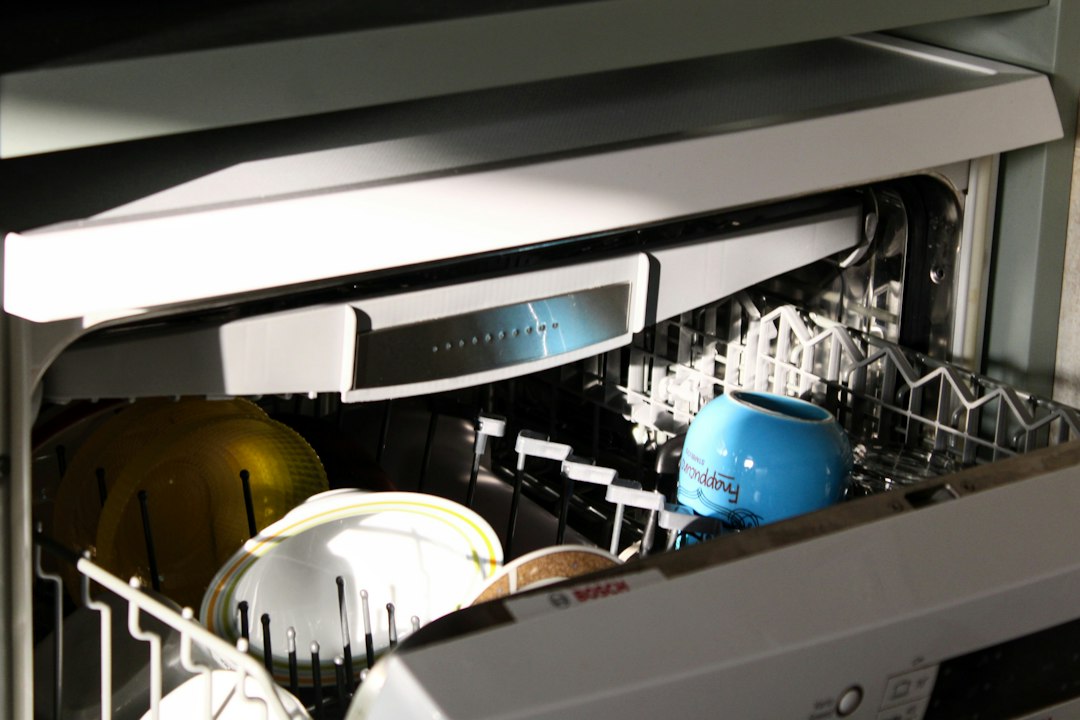
Yes, a small amount can be. Many models are designed to hold a little water in the sump, the low area under the filter, after a cycle ends. That water keeps the seals moist and is pumped out at the start of the next cycle. Some manufacturers explain this in their own support guides, such as Frigidaire’s article on water left in the dishwasher.
What is not normal is water that covers the floor of the tub, dirty water that smells, or dishes that come out with residue because the wash water never fully drained. If that is what you are seeing, work through the checks below.
Start With the Simple Checks
Before you do anything, turn the dishwasher off. If you will be reaching into the bottom of the tub or under the sink, switch off the power at the breaker for extra safety. Have a few towels and a small cup or sponge ready to bail out standing water.
- Make sure the cycle actually finished. If a cycle was interrupted by a power blip or someone opening the door, the dishwasher may not have reached the drain stage. Run a short rinse or drain cycle and see if the water clears.
- Try a cancel or reset. On many models, pressing and holding Start, Cancel, or Reset for a few seconds cancels the cycle and triggers a drain. Your owner’s manual will list the exact steps for your model.
- Run the garbage disposal. If your dishwasher drains through the disposal, a clog there will back water up into the dishwasher. Run the disposal with cold water for 20 to 30 seconds, then try the dishwasher again.
- Check the kitchen sink drain. If the sink itself drains slowly, the problem may be a household plumbing clog rather than the dishwasher.
Common Reasons a Dishwasher Won’t Drain
A Clogged Filter
Most modern dishwashers have a removable filter at the bottom of the tub, usually under the lower spray arm. It traps food particles so they don’t recirculate onto your dishes. Over time, grease, seeds, labels, and bits of glass collect there and restrict the flow of water to the drain.
To clean it, remove the bottom rack, twist or lift out the filter according to your manual, and rinse it under warm running water. A soft brush and a little dish soap help with greasy buildup. Many manufacturers recommend cleaning the filter about once a month, or more often if you don’t pre-rinse your dishes.
A Garbage Disposal Knockout Plug
If your dishwasher stopped draining right after a new garbage disposal was installed, this is the first thing to check. New disposals come with a small plastic plug inside the dishwasher inlet. It has to be knocked out during installation, and it is easy to miss. If it is still in place, the dishwasher has nowhere to send its water.
A Kinked or Clogged Drain Hose
The drain hose runs from the dishwasher to the sink drain or disposal. If it gets kinked, crushed behind the unit, or packed with debris, water can’t get out. The hose should also have a “high loop,” meaning it rises up toward the underside of the countertop before it drops to the drain. Without a high loop, dirty sink water can flow back into the dishwasher.
You can usually see part of the hose under the sink. Look for sharp bends or anything pressing on it. Checking the full length of the hose often means pulling the dishwasher out, which is a good point to call a technician.
A Blocked Air Gap
Some kitchens have an air gap, a small metal or plastic cap on the sink or countertop next to the faucet. It prevents wastewater from siphoning back into the dishwasher. When it clogs, water may spill out of the air gap or stay in the dishwasher. Pull off the cover, remove the inner cap, and clear out any debris.
A Failed or Jammed Drain Pump
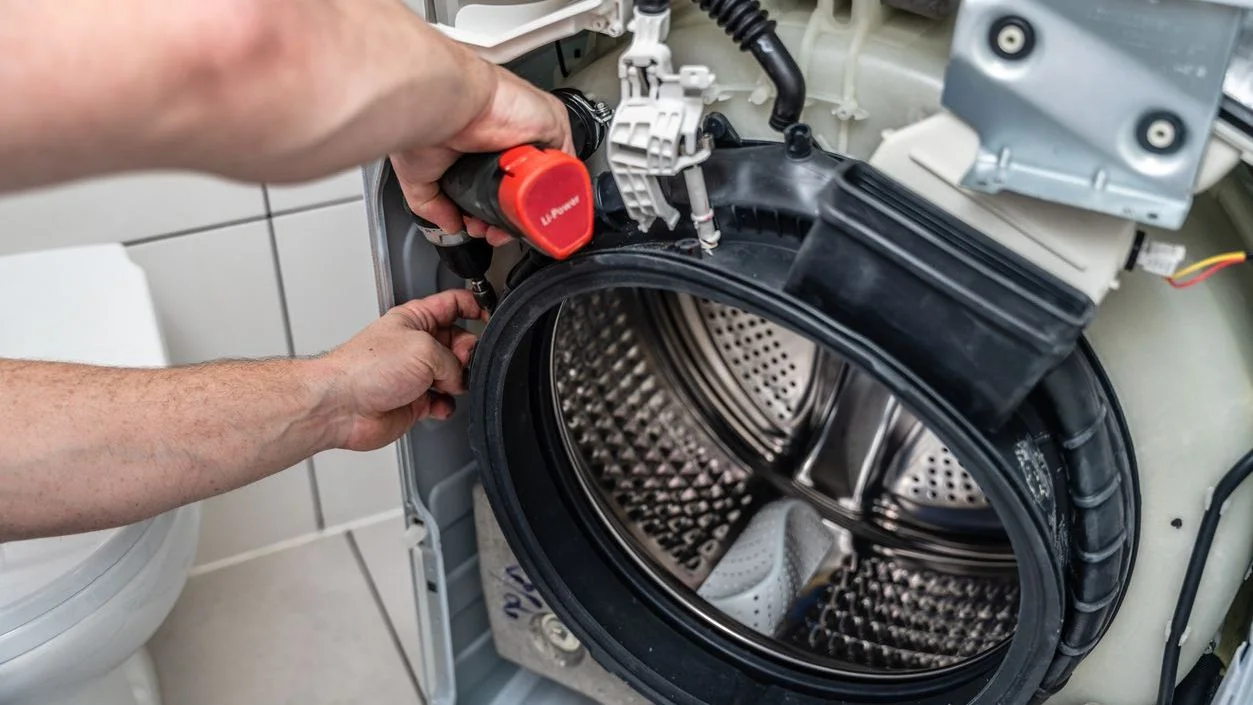
The drain pump is what pushes water out of the dishwasher. If you hear a humming or buzzing sound at the end of the cycle but the water doesn’t move, the pump may be jammed by debris, such as a piece of broken glass or a fruit pit, or the motor may have failed. The pump sits under the tub and usually requires taking the unit apart, so this is a repair for a professional.
A Faulty Check Valve or Control Problem
A check valve keeps drained water from flowing back into the tub. If it sticks, water can return after the cycle ends. Less often, the issue is electrical: a failed control board, timer, or drain solenoid on some older models may never signal the pump to run. These problems need diagnostic testing to confirm.
How to Prevent Drainage Problems
- Scrape plates before loading. You don’t need to pre-wash, but large food scraps, bones, and seeds should go in the trash.
- Clean the filter regularly. A monthly rinse prevents most slow-drain issues.
- Run the disposal before starting the dishwasher. This clears the shared drain path.
- Use the right detergent. Use detergent made for automatic dishwashers, never hand dish soap, which creates suds that can overwhelm the drain.
- Run hot water at the sink first. Starting with hot water helps dissolve grease and improves cleaning.
If your dishwasher is older and you are weighing a replacement, ENERGY STAR’s dishwasher guide is a helpful place to compare efficient models. Our guide on whether to repair or replace a broken appliance can help you make that call.
When to Call a Professional
It’s time to stop troubleshooting and call a technician if:
- You have cleaned the filter and cleared the disposal and air gap, and the dishwasher still won’t drain.
- You hear humming, grinding, or buzzing at the end of the cycle but no water moves.
- The dishwasher shows an error code related to draining.
- You notice water on the floor or signs of a leak under the unit.
- The problem keeps coming back after you fix it.
AllStar offers in-home dishwasher repair throughout Baltimore County, including Towson, Catonsville, Dundalk, and Parkville, as well as Baltimore City and the surrounding counties. Our technicians work on all major brands, including Whirlpool, GE, Bosch, KitchenAid, Samsung, LG, and Frigidaire. You can see the full list on our appliance brands page.
Frequently Asked Questions
Why is there standing water in the bottom of my dishwasher? The most common causes are a clogged filter, a clogged garbage disposal, a kinked drain hose, a blocked air gap, or a failed drain pump. A small amount of water in the sump can be normal, but water covering the tub floor is not.
Can I run my dishwasher if it isn’t draining? It’s best not to. Running more cycles can overflow the tub, cause leaks, and put extra strain on the pump. Bail out the water and work through the checks above first.
How do I manually drain my dishwasher? Turn off the power, remove the bottom rack, and bail out the water with a cup, then soak up the rest with a sponge or towels. Then clean the filter and try a drain or cancel cycle.
Can a garbage disposal stop a dishwasher from draining? Yes. Many dishwashers drain through the disposal, so a clog or an uninstalled knockout plug in a new disposal will keep water in the dishwasher.
How much does it cost to fix a dishwasher that won’t drain? It depends on the cause. A clog may only need cleaning, while a drain pump replacement costs more. Our guide to appliance repair costs in Baltimore covers typical ranges, and our service charge is waived when you go ahead with the repair.
Get Your Dishwasher Draining Again
If you’ve tried the simple fixes and your dishwasher still won’t drain, AllStar Appliance Repair can help. We offer same-day and next-day in-home service across Baltimore County and Baltimore City, and our repairs come with a 90-day parts and labor warranty.